

Competence, partnership, and myth: what the man who built space opera still has to teach us
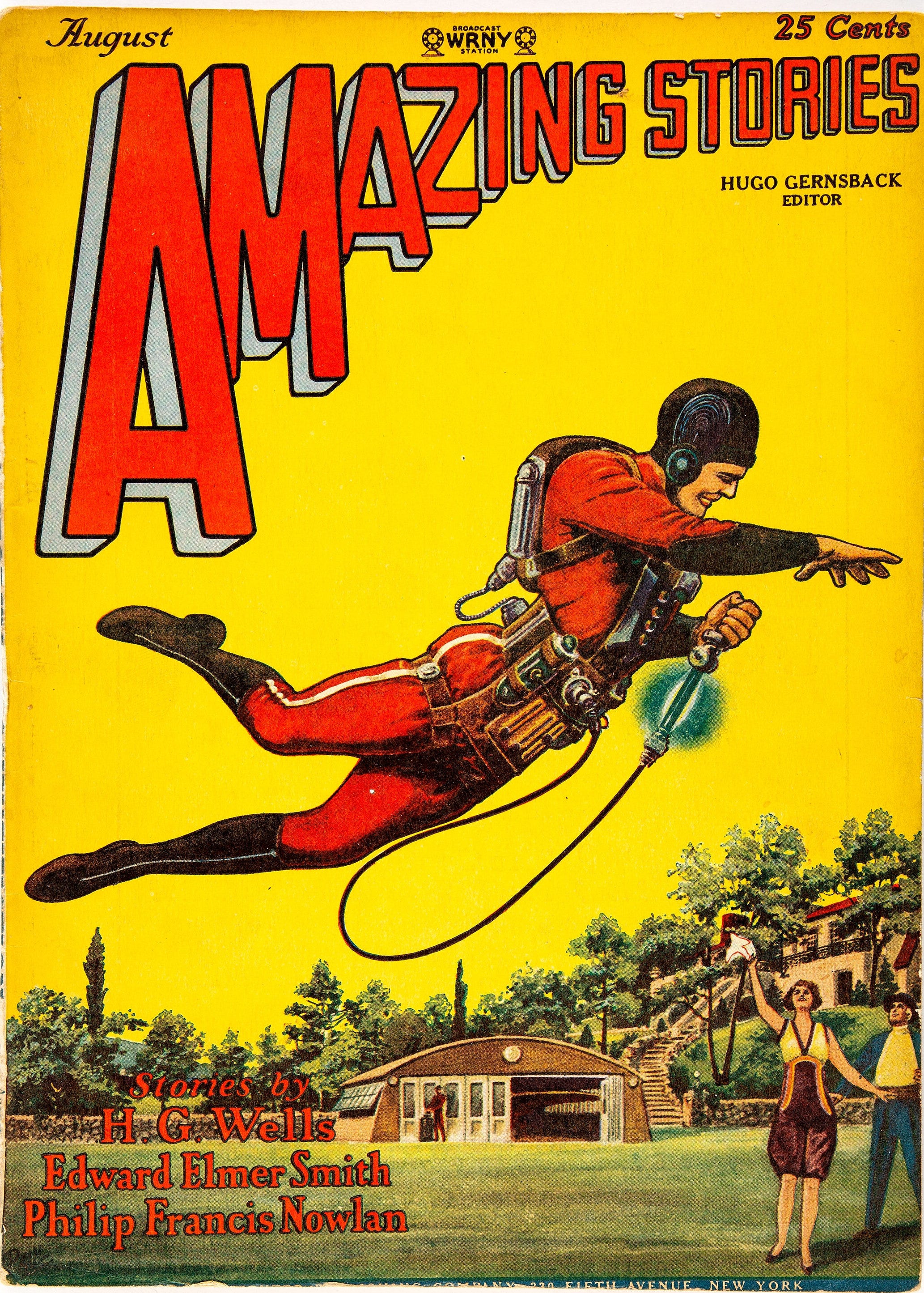
If you read enough modern fiction, even in indie sci-fi, adventure, and self-described “pulp”, you start noticing the same tired machinery running underneath almost every story.
Somewhere along the way, writers forgot how to put two capable people in the same room without turning it into a zero-sum seesaw. To make a female character look strong, they instinctively make every man around her arrogant, helpless, or stupid. Or they flip it the other way and write a damsel waiting to be rescued so the hero can look tough. Meanwhile, romance-novel melodrama has bled straight into military sci-fi and post-apocalyptic survival. Things like manufactured miscommunication, brooding over basic duties, and adults acting like teenagers with laser rifles.
Whenever I get burned out on modern literary posturing and template tropes, I go back to pulp fiction. And specifically to the man who built space opera from the ground up: E.E. “Doc” Smith.
What Pulp Actually Understood
Modern critics love to sneer at pulp fiction because it was printed on cheap wood-pulp paper, sold for twenty cents on newsstands, and cared more about momentum than navel-gazing prose.
What they miss is that pulp writers had to earn every reader on page one. Which they did by respecting competence, scale, and consequence. You couldn’t pad three hundred pages with characters whining about their feelings or forgetting how their own equipment worked just to manufacture fake tension. Readers wanted big ideas, clear stakes, and protagonists who actually knew their jobs.
I started reading Smith’s Skylark and Lensman books decades ago, cramming battered paperbacks into rucksacks and vehicle hatch boxes across a career in the U.S. Army. You don’t read Doc Smith for delicate literary minimalism. You read him because his characters operate at a high baseline of competence.
Mutual Strength Without the Zero-Sum Seesaw
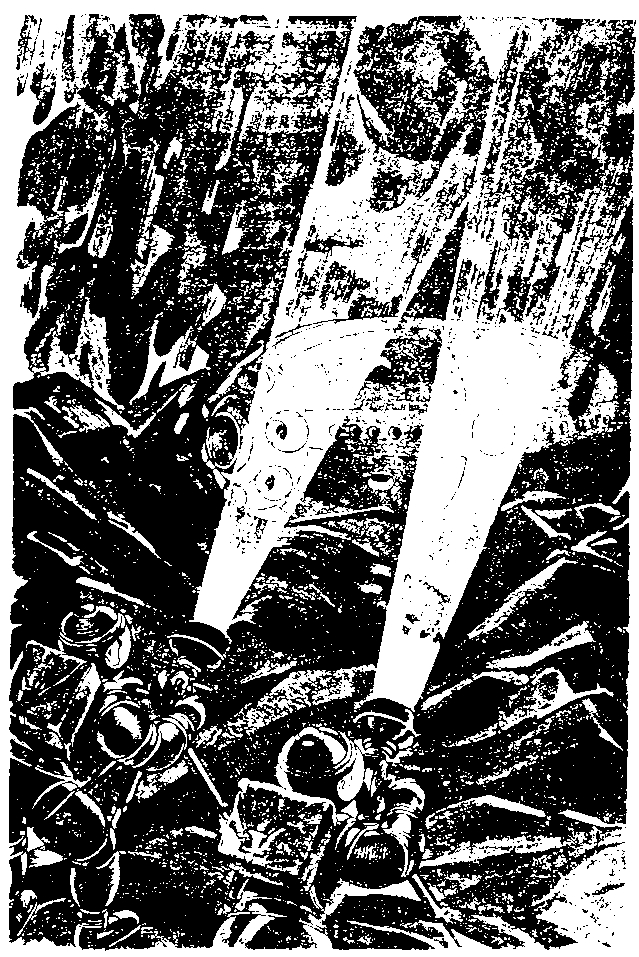
Richard Seaton, Kimball Kinnison, and Marc DuQuesne don’t sit around waiting for fate to rescue them. They are engineers, scientists, tacticians, and operators. When a problem hits, whether it’s an alien battle fleet or an unknown energy signature. Instead, they assess, build, adapt, and execute.
More importantly, Smith never played the modern zero-sum game with his women.
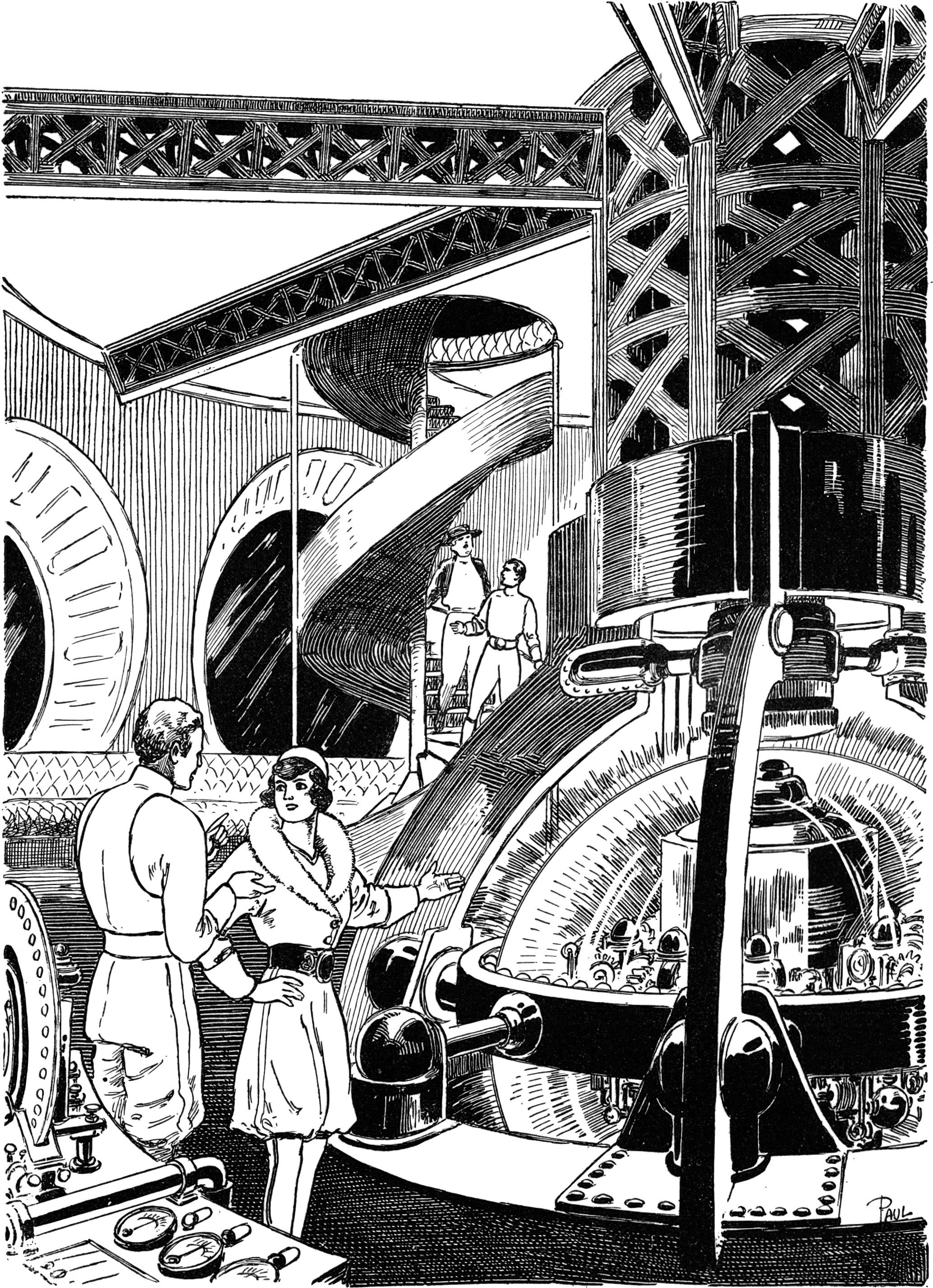
Dorothy Vaneman, Margaret Spencer, Clarissa MacDougall, and even DuQuesne’s partner Stephanie “Hunkie” de Marigny aren’t fragile ornaments or toxic bullies. They are sharp, steady-nerved, dangerous women who stand shoulder-to-shoulder with the men beside them. Clarissa MacDougall earns her Lens not because Kimball Kinnison gets nerfed into a bumbler, but because she is every bit his equal under fire. Neither has to shrink so the other can stand tall.
I’ve been lucky enough to live alongside that exact kind of woman in real life, someone with grit, discipline, and steady judgment who never needs anyone else diminished to prove her own strength. Once you know what real partnership looks like when things get serious, fake literary tropes stop working on you.
Moral Clarity and Founding Myths
Pulp also understood two things modern writers are terrified to touch: civilization requires clear lines, and civilization runs on myth.
In the Lensman universe, the war between Arisia and Eddore isn’t a muddled debate where both sides have valid points and nobody really knows what they stand for. Civilization defends free will, competence, and life; predators reduce people to prey. Robert Heinlein took that exact torch from Smith. It’s a standard of competent people solving hard problems, taking accountability for their own survival, and refusing to apologize for defending what is worth keeping. Between them, they established a rule that still holds true: difference is fine; lesser is not.
At the same time, pulp never apologized for writing mythic scale. Modern writers who reject myth think they are being sophisticated, but they miss the point: myth is compressed generational memory. It is the shared story that tells people what courage, loyalty, and duty look like when the manual burns up.
Carrying the Pulp Standard Forward
That pulp DNA is the backbone of everything I write—from The Last Romans to the Bougie Apocalypse series (The Cough Is Loose, Staying Human, and The Zombie War: forthcoming).
When the comfortable veneer of modern bureaucracy vanishes overnight, survival isn’t a melodrama—it’s an operational problem. In The Zombie War, when Jack, Raych, and Kayla face impossible odds, nobody gets dumbed down to create cheap plot twists. Jack and Raych operate as true equals. They are each bringing their own edge without ever detracting from the other, because in a world sitting on the brink of extinction, competence isn’t a personality quirk. It is the baseline price of admission.
E.E. “Doc” Smith knew a century ago what too many writers have forgotten today: readers don’t show up to watch helpless people make stupid mistakes. They show up to watch capable men and women stand together, face the dark, and build something worth keeping.
Further Reading
The Skylark of Space, free at Project Gutenberg: https://www.gutenberg.org/ebooks/20869
I couldn’t agree more. I love romance but wearied of the tropes so much that I switched to writing urban fantasy instead. Pulp has always been a favorite of mine, and as your post clearly illustrates, the covers and artwork captured my imagination as much as the stories themselves.
I took a Pop Fiction course in college that focused on science fiction and kept both anthology textbooks because the stories are as you describe, competent people working to find solutions.
One of my favorites from that course is “Who Goes There” by John W. Campbell which horror movies watchers will know as John Carpenters “The Thing”. The movie will always have a place in my heart but the novella/short story was full of competent people working and solving the problem.
It’s also what I enjoy about your work - you don’t have to dumb down your characters for them to have problems to solve or high stakes they have to overcome.
As an aside I collect tarot decks and one of my favorites is the “Pulp Tarot” comprised completely of old pulp fiction covers. Super cool artwork that still captures my imagination.
Real talk though, from the title I thought this would be an analysis of the movie! 🤦🏻♀️ Glad it wasn’t as you reminded me of the type of fiction I want to read and that I want to write.